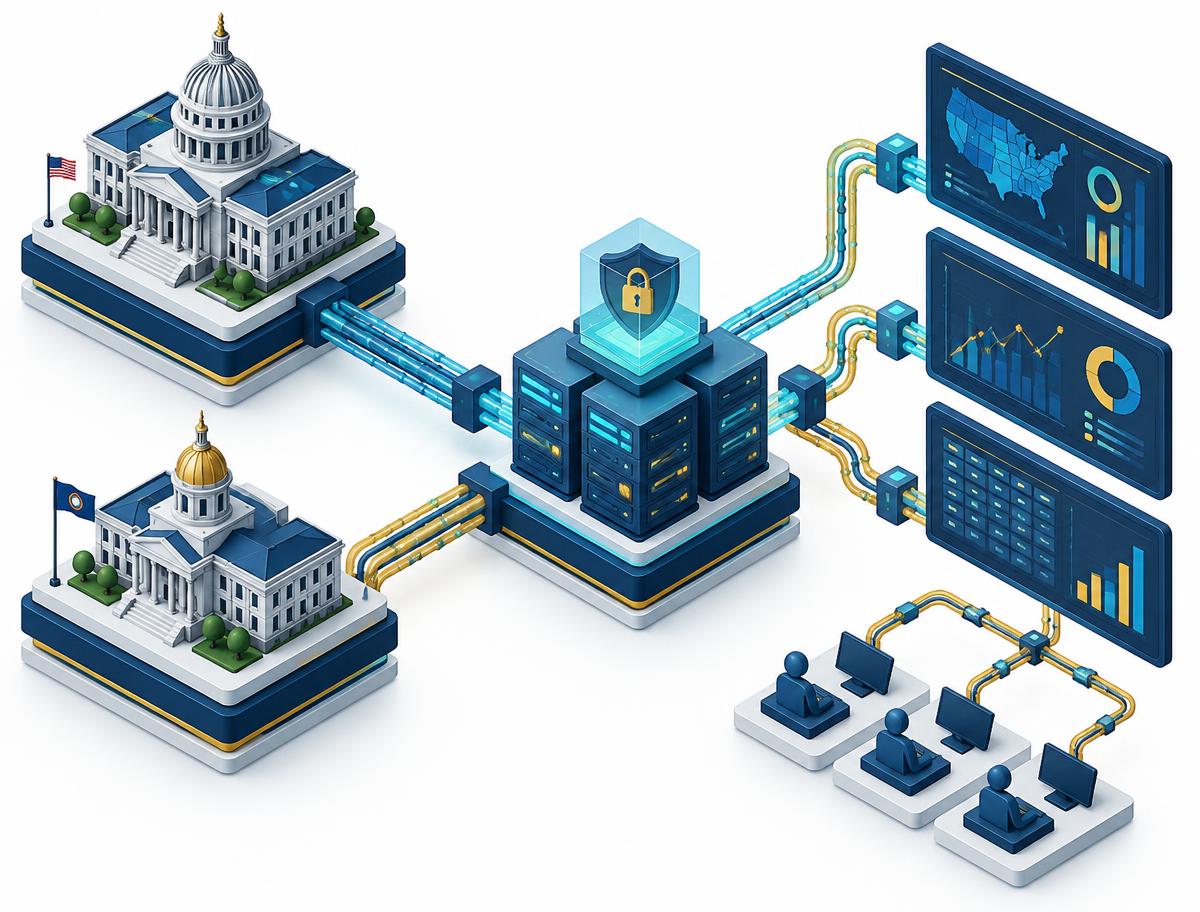
POLEMARCH AI POLEMARCH AI's public response for USAC artificial intelligence consulting and support services.
POLEMARCH AI POLEMARCH AI's public response for USAC artificial intelligence consulting and support services.
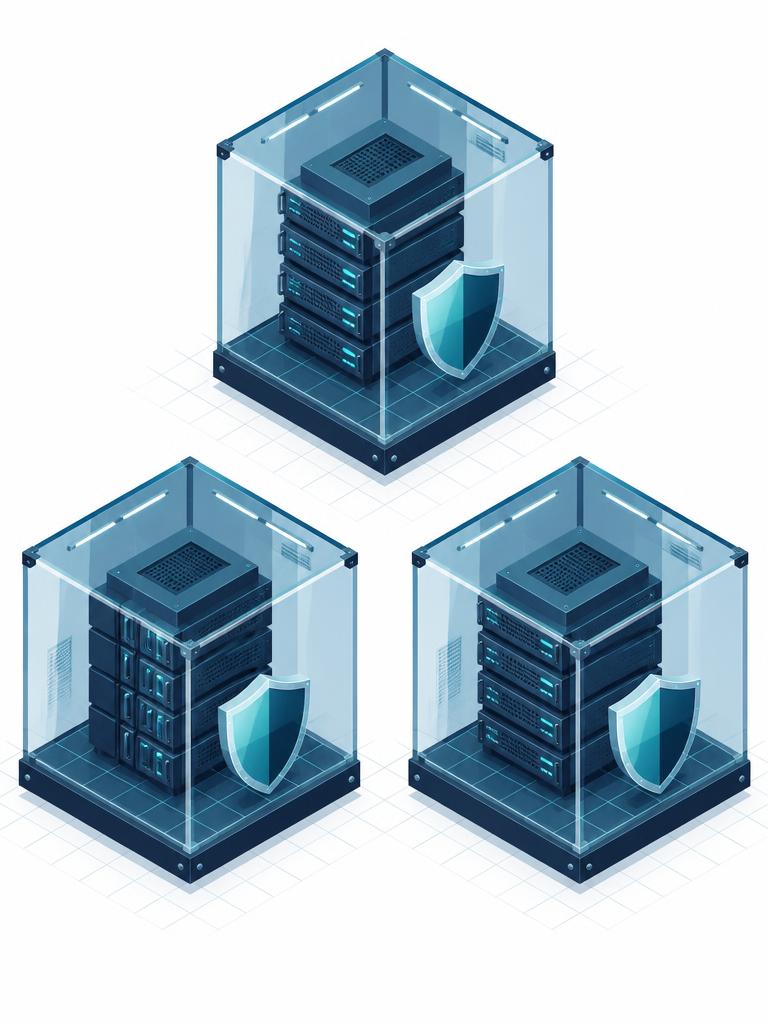
POLEMARCH AI Four volumes, addenda, and downloads in a client packet room with Diana available for questions.
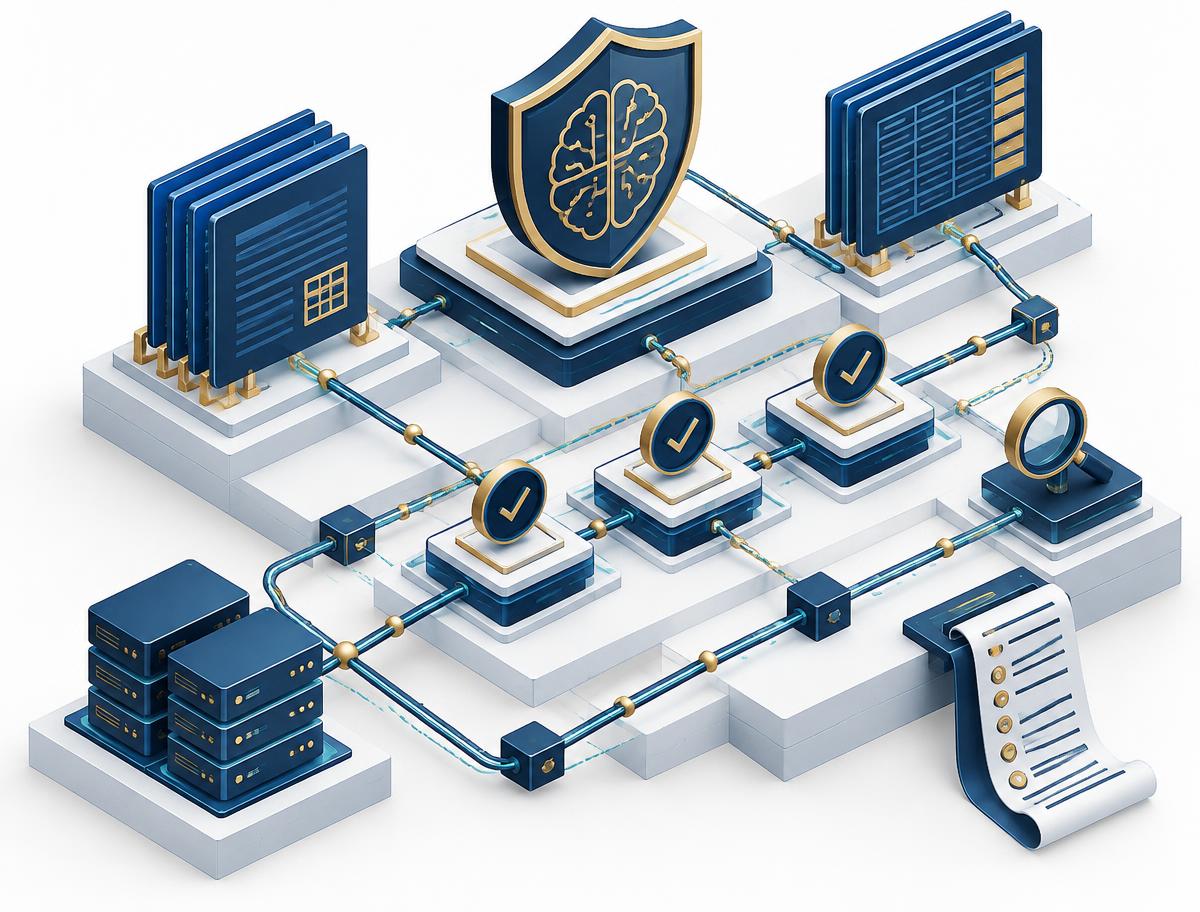
POLEMARCH AI Human review stays in the decision path, with documented controls and escalation.
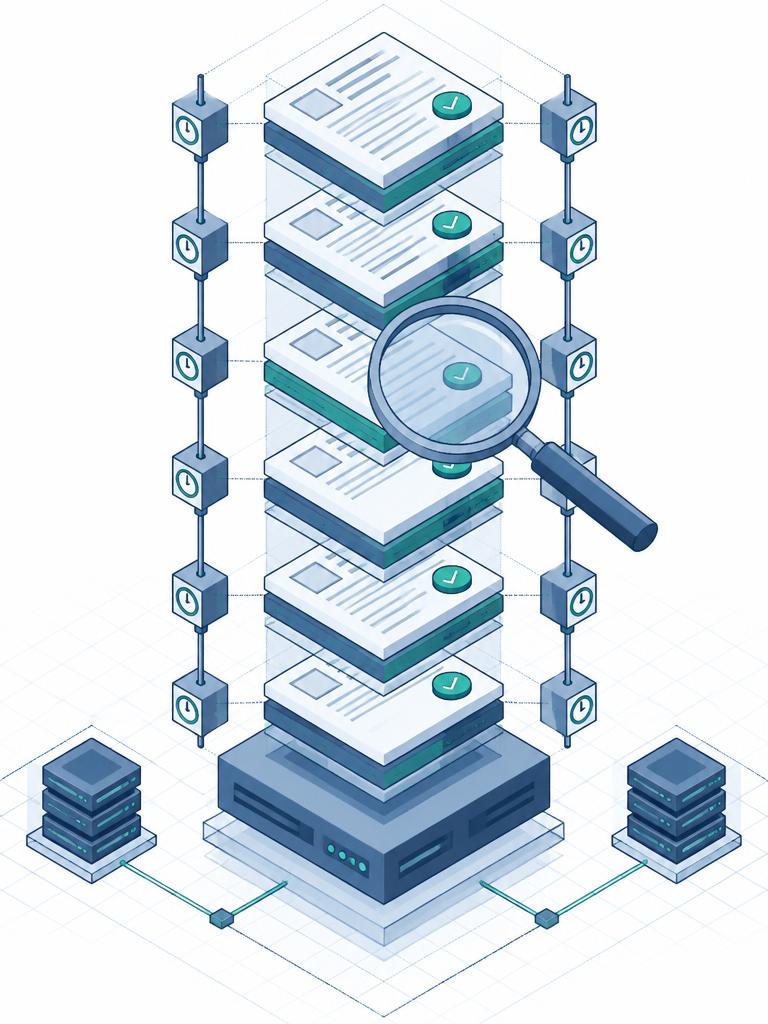
POLEMARCH AI Source provenance, versioned findings, and an evidence record a reviewer can follow end to end.
Demonstration environments use fictional data only. No official federal or state endorsement is implied.



Start with the mission: affordable connectivity and access to information.
IT-26-139
BETA Systems | Supporting brand: POLEMARCH AI | Proposal demonstration for IT-26-139 — Artificial Intelligence (AI) Consulting and Support Services
BETA Systems proposes an assessment-led approach to help the Universal Service Administrative Company strengthen mission efficiency, AI governance, and risk-aware adoption across Universal Service Fund administration. The four-month engagement would produce a Current State Assessment, a three-year AI Implementation Strategy with a governance framework, a Pilot Recommendation, and an Executive Briefing and Final Readout. USAC is a nonprofit corporation under FCC oversight, not a federal agency. This proposal demonstration preserves the fixed experience structure: an image-led opening, an iOS resident simulator, vertical civic-service cards, a Visio-style workflow, a policy crosswalk, an implementation roadmap, and Diana as the illustrative caseworker narrator. These presentation elements explain the proposed consulting approach; they are not a proposed production platform or additional contractual deliverables. No capability would be built, deployed, operated, or modified under this scope. Personnel identities, qualifications, past-performance evidence, registration status, pricing, and executed submission documents remain to be supplied and verified by the offeror.
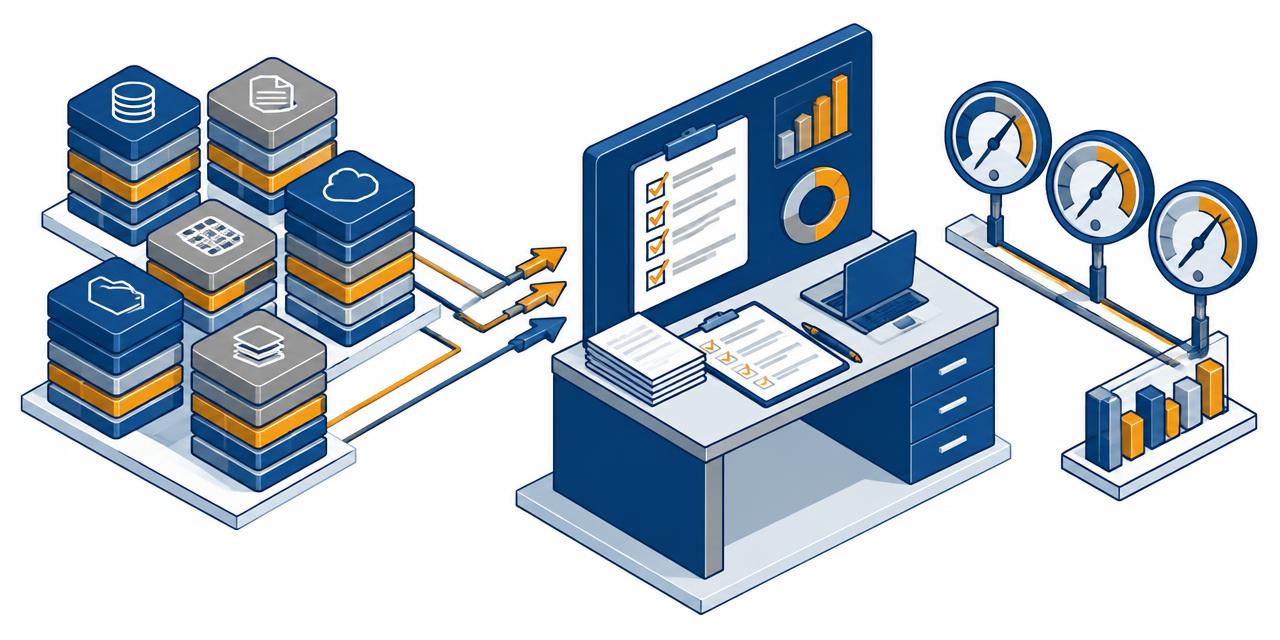
Review USAC’s existing AI strategy, policies, AI Risk Inventory, software and vendor review process, and Executive, Core PMO, and Communications governance structures. Use document analysis, role-based interviews, and process walkthroughs with program divisions and supporting functions to assess organizational, workforce, technology, data, privacy, and security readiness. Record each finding with its evidence, affected process, control gap, accountable role, and proposed priority. Workforce findings would address capabilities and roles rather than individual employee ratings.
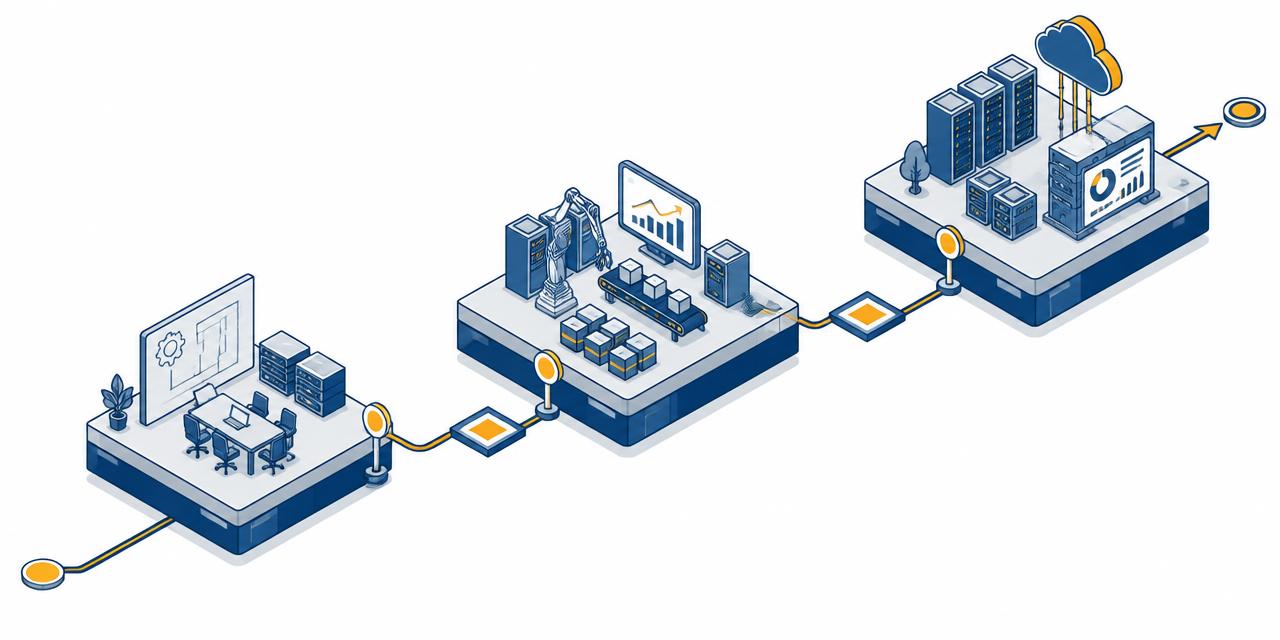
Develop a sequenced portfolio covering traditional/statistical AI, internal generative-AI efficiency, and potential business-process and customer-experience improvements. Assess USAC’s planned Microsoft Copilot availability as a current-state dependency, not an assumed completed deployment. Each initiative would identify prerequisites, dependencies, decision gates, indicative resources, oversight requirements, and proposed measures. Include cost tracking, forecasting, and a program-line allocation methodology based on documented usage and shared-service assumptions validated with Finance.
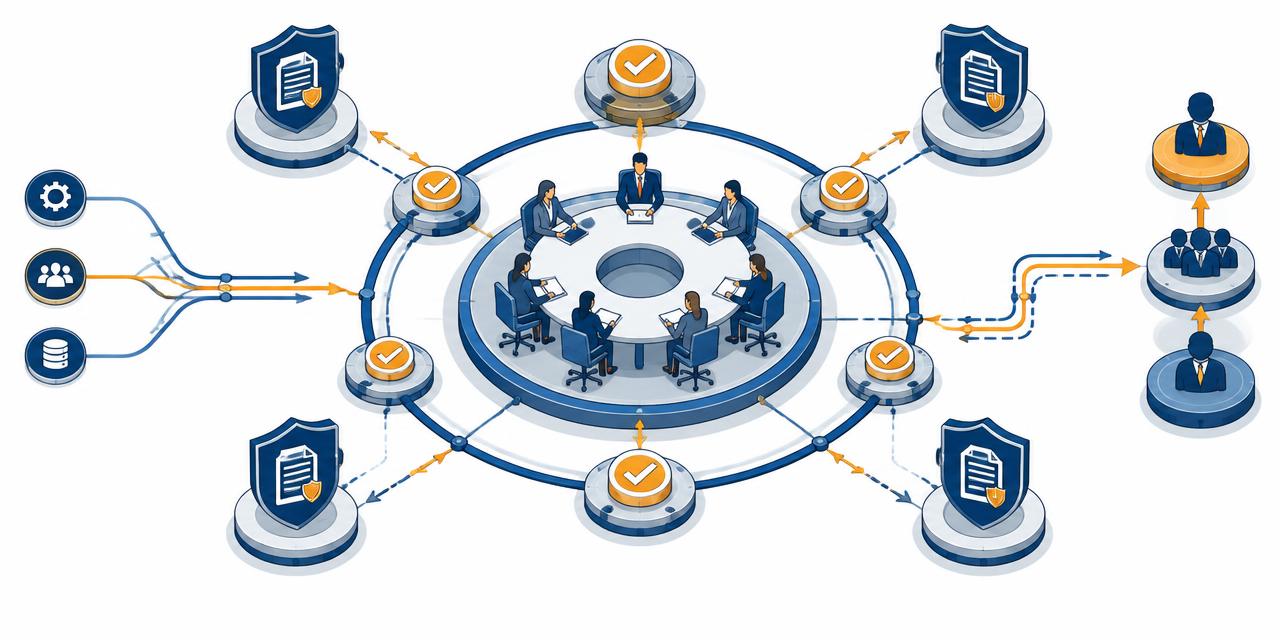
Recommend target-state roles, reporting lines, decision rights, intake criteria, approval pathways, escalation routes, and executive and Board reporting. Map recommended controls to USAC requirements and relevant industry guidance, using the NIST AI Risk Management Framework as an analytical reference rather than a certification claim. Document which decisions remain with program owners, privacy and security reviewers, OGC, and executive governance.
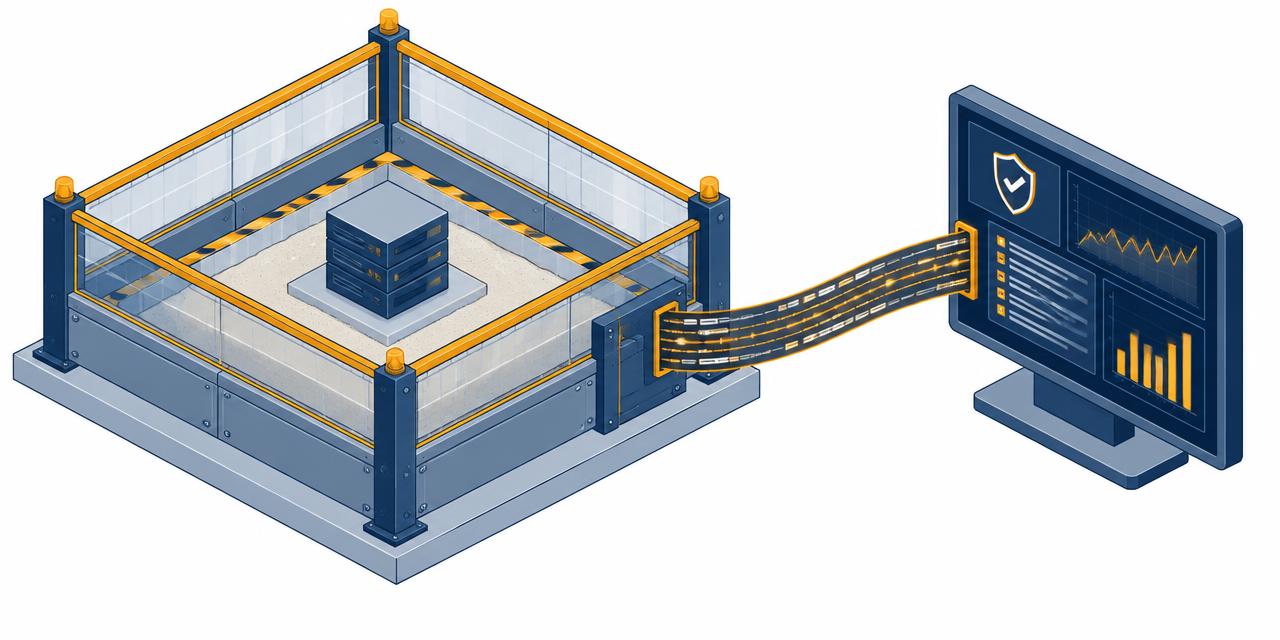
Compare candidate pilots against mission value, data sensitivity, technology readiness, staff capacity, cost, and approval requirements. An illustrative candidate is staff-assisted retrieval and draft summarization of approved program guidance, with source verification and no beneficiary decision authority. Selection would depend on assessment findings. The recommendation would document constraints, future execution prerequisites, human-review procedures, baseline measures, evaluation criteria, and stop conditions. This engagement recommends a pilot; it does not run one.
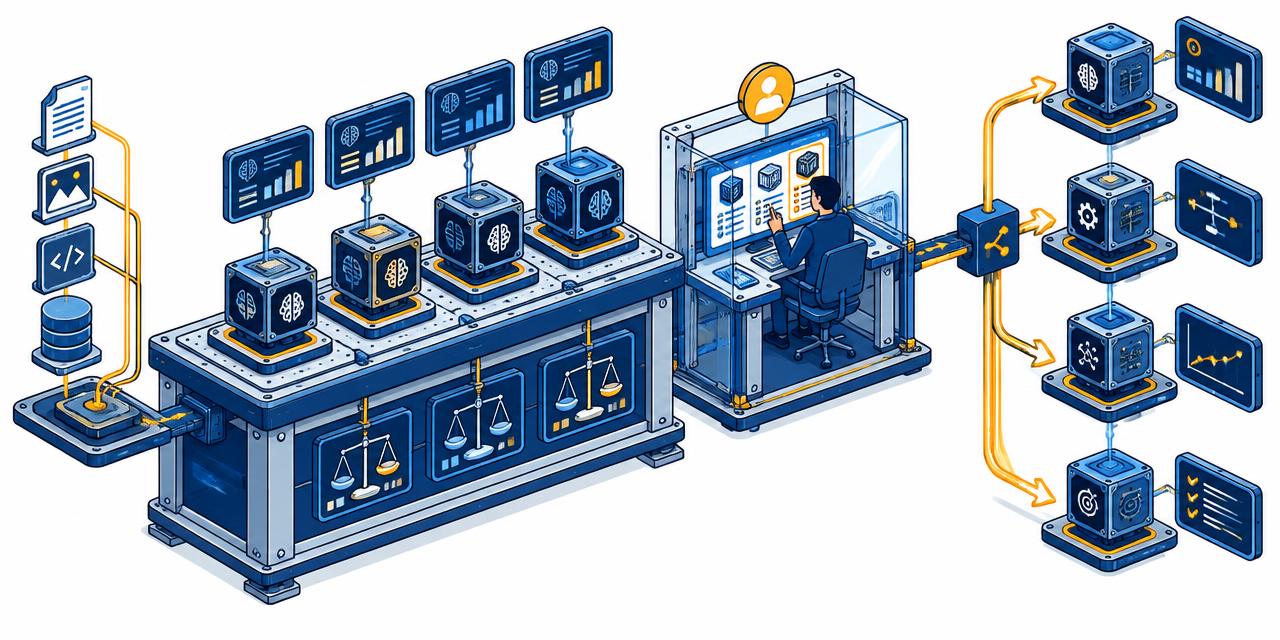
Assess whether any bounded agentic use merits future consideration. Examine permission boundaries, human approvals, output validation, monitoring, failure modes, recovery procedures, and consumption-based cost exposure. Compare agentic approaches with simpler statistical, generative, and non-AI alternatives. USAC has not committed to agentic AI, and the strategy would preserve a documented no-go option.
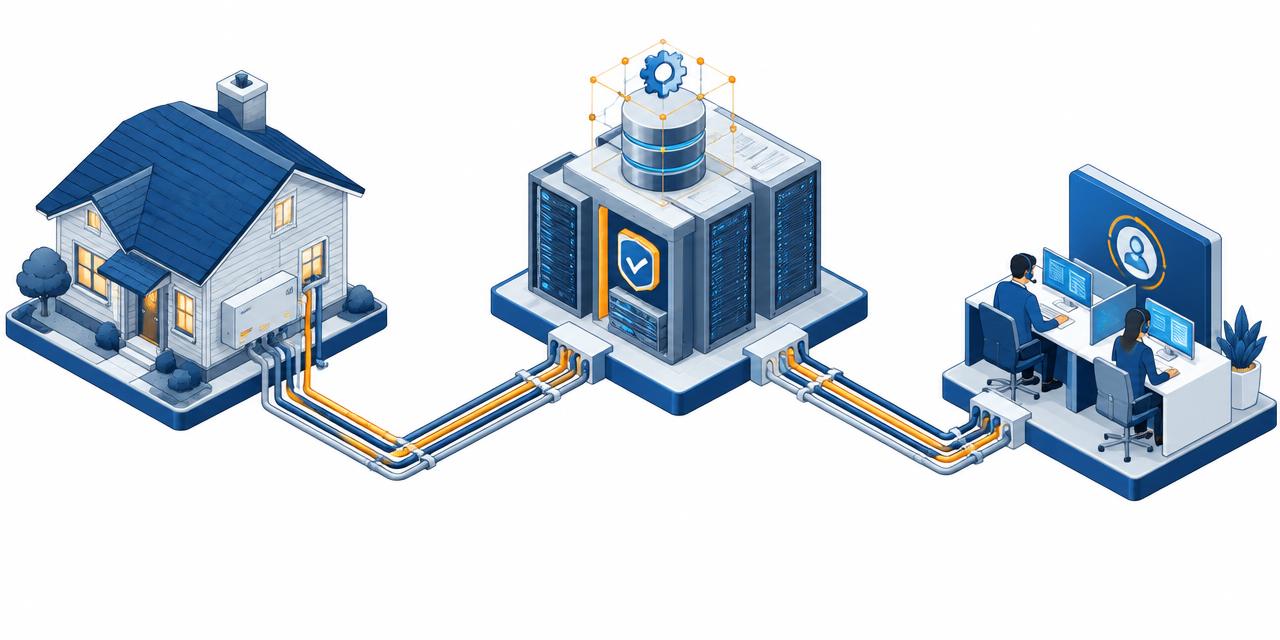
Connect the assessment to affordable broadband and voice service for eligible low-income households. The iOS resident simulator presents a fictional information-seeking journey: select Lifeline, review an illustrative explanation, identify a question requiring staff review, and see a simulated handoff. It collects no actual PII, accepts no real application, makes no eligibility determination, and has no connection to the National Verifier or National Lifeline Accountability Database.
Public service principles

Prioritize responsible USF stewardship and reduced administrative burden across High Cost, Lifeline, Rural Health Care, Schools and Libraries, and Contributions. Recommendations would support FCC-aligned administration, not create universal service policy or interpret unclear FCC rules.

AI may support staff but must not replace or override responsible USAC decision-makers. Beneficiary, legal, HR, hiring, and case-outcome scenarios would retain human review and oversight. The demonstration shows review checkpoints rather than automated awards, denials, or adjudication.

The baseline method uses human interviews, manual document review, and conventional analysis. A separately described AI-assisted scenario could support document classification, draft summaries, and thematic comparison only after prior written USAC approval of the tool, task, and data use. Reviewers would validate source accuracy, omissions, bias, and policy alignment. No unapproved AI meeting assistant, public-model upload, or background AI processing is assumed.
Current state assessment · evidence path

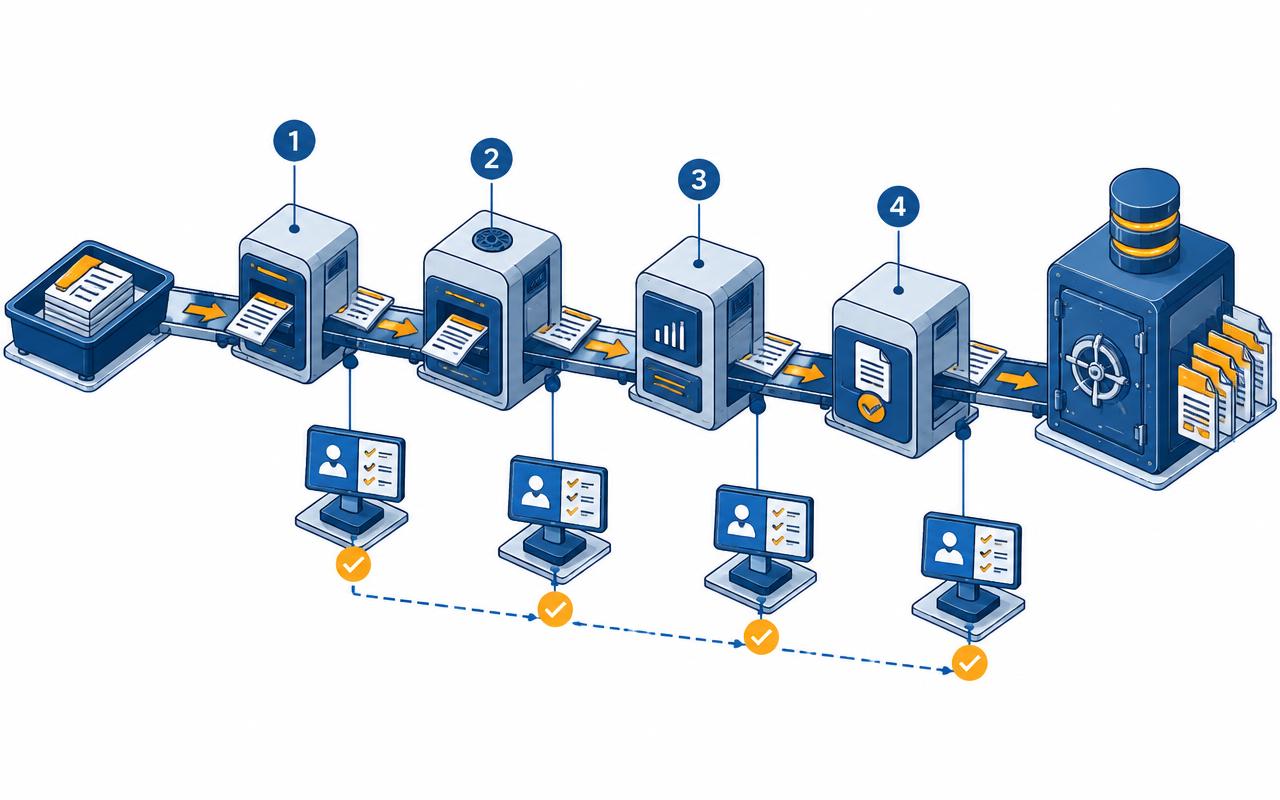
Present an editable swimlane diagram with lanes for USAC program and support functions, the consulting team, privacy/security/OGC reviewers, and executive governance. Use document symbols for evidence and deliverables, process rectangles for analysis, diamonds for approval gates, and labeled connectors for returns and escalations. Existing systems such as National Verifier, HUBB, and EPC appear only as assessment context; connectors do not represent proposed technical integrations.
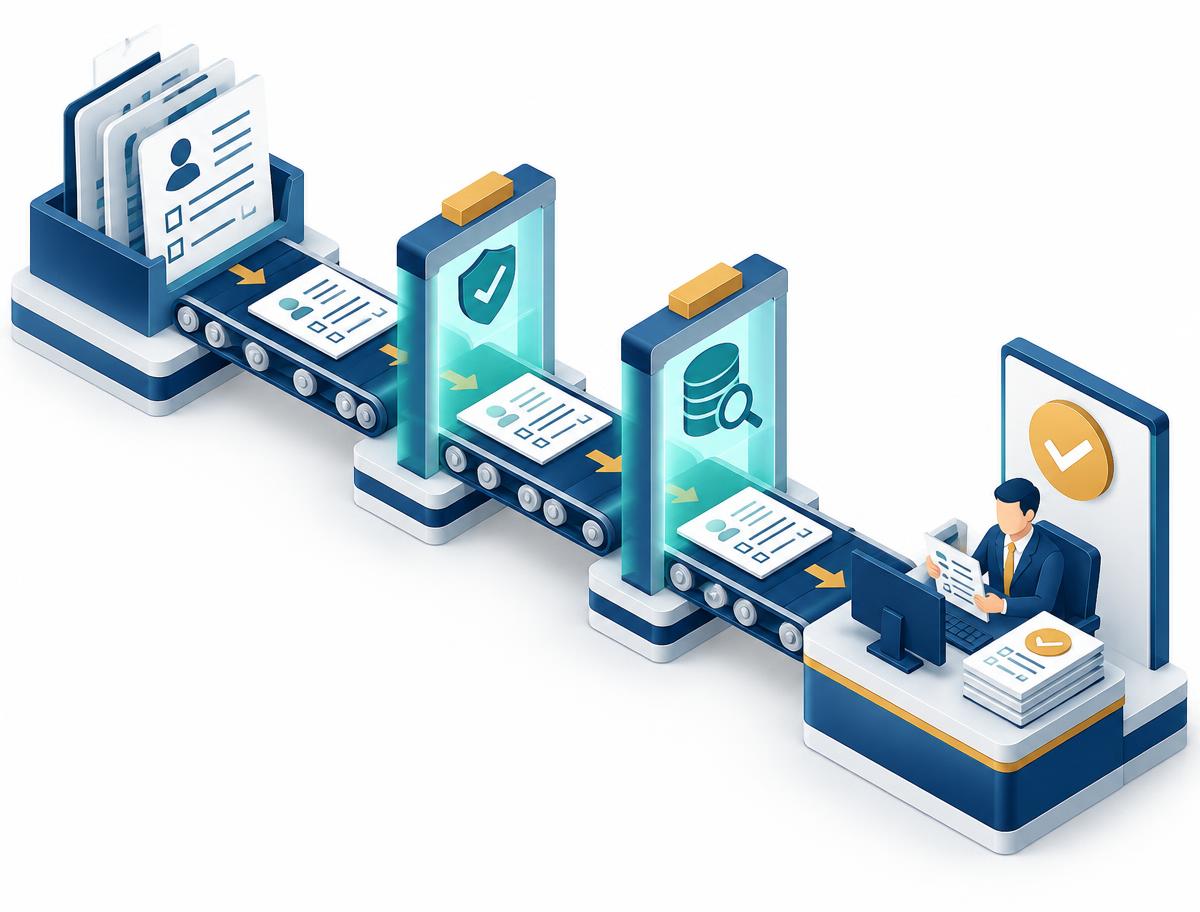
Plan kickoff no later than ten workdays after award, consistent with Section B.4.C. Confirm the four-month work plan, evidence requests, stakeholder availability, reporting procedures, acceptance criteria, security onboarding, and approved work locations. Plan for U.S.-only performance and at least two office days weekly at 700 12th Street NW, Suite 900, Washington, DC 20005, using USAC’s hoteling process.
Gather approved policies, governance artifacts, process descriptions, technology information, and data-handling requirements. Interview program owners and Finance, OGC, Information Systems, Audit and Assurance, EPI, and HR representatives as appropriate. Triangulate interview observations against documents and walkthroughs; identify unsupported assumptions separately from validated findings.
Route draft findings to relevant USAC reviewers for factual validation. The decision diamond asks whether evidence and control ownership are sufficient. If not, return to targeted information collection. If sufficient, link the finding to a governance recommendation, initiative prerequisite, or pilot-selection criterion.
Compare candidate initiatives using mission value, beneficiary impact, data sensitivity, organizational readiness, implementation dependencies, and cost drivers. Privacy, security, or policy uncertainty routes an option to clarification or deferral rather than automatic advancement. Any proposed AI use during consulting follows a separate written-approval gate before use.
Develop the target-state operating model, governance framework, three-year roadmap, cost models, and pilot recommendation from validated findings. Conduct a consistency review so initiative priorities, staffing assumptions, policy controls, and executive messages agree across artifacts. The workflow ends in recommendations, not system construction.
Present an editable swimlane diagram with lanes for USAC program and support functions, the consulting team, privacy/security/OGC reviewers, and executive governance. Use document symbols for evidence and deliverables, process rectangles for analysis, diamonds for approval gates, and labeled connectors for returns and escalations. Existing systems such as National Verifier, HUBB, and EPC appear only as assessment context; connectors do not represent proposed technical integrations.
Plan kickoff no later than ten workdays after award, consistent with Section B.4.C. Confirm the four-month work plan, evidence requests, stakeholder availability, reporting procedures, acceptance criteria, security onboarding, and approved work locations. Plan for U.S.-only performance and at least two office days weekly at 700 12th Street NW, Suite 900, Washington, DC 20005, using USAC’s hoteling process.
Gather approved policies, governance artifacts, process descriptions, technology information, and data-handling requirements. Interview program owners and Finance, OGC, Information Systems, Audit and Assurance, EPI, and HR representatives as appropriate. Triangulate interview observations against documents and walkthroughs; identify unsupported assumptions separately from validated findings.
Route draft findings to relevant USAC reviewers for factual validation. The decision diamond asks whether evidence and control ownership are sufficient. If not, return to targeted information collection. If sufficient, link the finding to a governance recommendation, initiative prerequisite, or pilot-selection criterion.
Compare candidate initiatives using mission value, beneficiary impact, data sensitivity, organizational readiness, implementation dependencies, and cost drivers. Privacy, security, or policy uncertainty routes an option to clarification or deferral rather than automatic advancement. Any proposed AI use during consulting follows a separate written-approval gate before use.
Develop the target-state operating model, governance framework, three-year roadmap, cost models, and pilot recommendation from validated findings. Conduct a consistency review so initiative priorities, staffing assumptions, policy controls, and executive messages agree across artifacts. The workflow ends in recommendations, not system construction.
Prepare the presentation-ready synthesis for the AI Executive Committee, including choices, tradeoffs, unresolved risks, and next decisions. Track submission and disposition through USAC’s Deliverable Acceptance Form process. Section B.5.B specifies a five-business-day review window, deemed acceptance absent a response or written extension, and correction and resubmission of rejected deliverables within ten business days at no additional cost. Acceptance planning must also account for Section C’s terms and precedence.
Organize final evidence references, recommendations, decision records, and deliverables for USAC access and retention. Follow USAC instructions for property and information return, including the Section B.10 written confirmation requirement within ten calendar days. Do not destroy retained records without written authorization.
People and scenarios

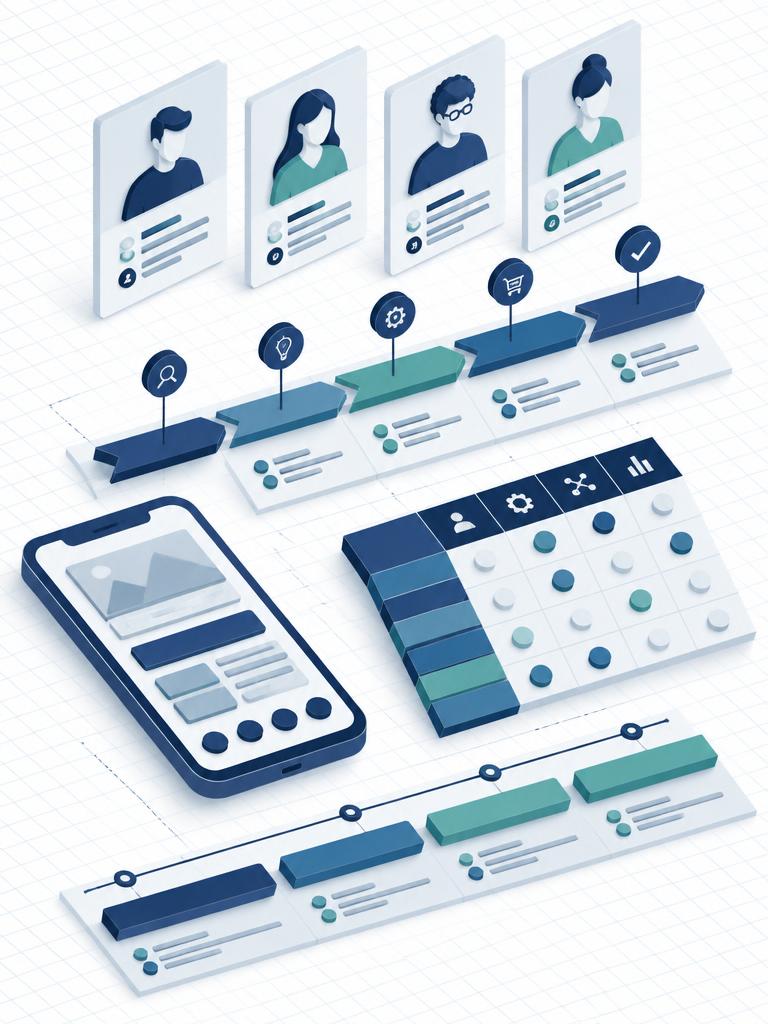
Illustrative caseworker narrator
Guides evaluators through the proposal demonstration from household connectivity needs to staff review, governance controls, and executive decisions. Diana is not represented as an actual USAC employee, a named proposed Key Person, or a benefits adjudicator.
Fictional composite persona

Fictional household participant
Uses the iOS-style simulator to explore broadband and voice support information. The demonstration pauses at a question requiring human assistance rather than requesting identity documents or determining eligibility.
Fictional composite persona

Illustrative E-Rate applicant representative
Uses a vertical service card to explain where guidance lookup, document preparation, and staff review could be assessed for future efficiency. The scenario does not submit FCC forms or interact with EPC.
Fictional composite persona

Illustrative RHC stakeholder
Explains how reliable telecommunications and broadband support rural care delivery, while the consulting assessment examines administrative workflows rather than patient diagnosis, treatment, or clinical records.
Fictional composite persona

USAC governance audience
Reviews the proposed readiness findings, initiative dependencies, pilot rationale, resource assumptions, and unresolved decisions in the final executive briefing.
Fictional composite persona
Policy crosswalk
| Policy requirement | How the platform satisfies it |
|---|---|
| Scope boundary — Section B.5.A | The control-center experience is a proposal visualization. Its simulator, cards, and workflow show assessment concepts only. Proposed deliverables remain strategic documents and presentations; no build, deployment, operation, modification, or live integration is included. |
| FCC alignment and USAC neutrality — Sections A.1–2, C.23, and C.27 | The crosswalk would associate each recommendation with its relevant FCC or USAC requirement, responsible reviewer, supporting evidence, and unresolved question. Ambiguous policy matters would be flagged for USAC direction. The proposal does not characterize USAC as a federal agency or offer legal conclusions. |
| Prior written AI approval — Privacy and Security Addendum 3.3 and 3.3.1 | Maintain an approval register identifying the proposed AI tool, task, input data, permitted users, restrictions, and written authorization. No AI processing of USAC Data, Confidential Information, or PII is assumed permissible merely because a tool is available. |
| AI disclosures and oversight — Addendum 3.3.2–3.3.5 | For any approved use, document training-data sources, learning cutoff dates, limitations, relevant risks, and material changes. Specify human output review, accuracy and bias checks, and audit logging consistent with retention requirements. The simulator illustrates these checkpoints without claiming they are implemented controls. |
| Third-party AI responsibility — Addendum 3.3.6 and 3.3.8 | Any proposed subcontractor or third-party use would be evaluated against the same approval and policy requirements. POLEMARCH AI is identified here as a supporting brand only; no subcontracting relationship, approved tool status, or separate data-processing role is asserted. |
| Confidentiality and approved work environment — Sections A.3, B.10, C.16; Addendum 2.4 and 2.7 | The delivery approach uses USAC-issued technology and approved repositories and communications channels, with authorized access, MFA, required training, signed rules of behavior, and confidentiality restrictions. Personal email, personal cloud storage, portable storage, and unapproved external technology are excluded. The signed Attachment 2 must accompany the actual proposal. |
| U.S.-only performance and office attendance — Section B.4; Addendum 2.13 | The staffing and information-handling plan must demonstrate U.S.-based work, storage, and processing, including virtual services and subcontractor activity. Resource planning must support at least two office days weekly at USAC headquarters. Travel is included in the fixed price and is not separately reimbursable. |
| Privacy and security safeguards — Addendum 2.1–2.9 | Map applicable safeguards to evidence for FISMA, NIST SP 800-53 Rev. 5, Privacy Act obligations where applicable, OMB M-17-12, and FIPS 140-3 encryption requirements. Track access authorization, training, PII handling, and the insider-threat program submission required within ninety days of the Effective Date. No existing compliance status is claimed. |
Proposal experience
Review the agency-specific workflow, policy controls, personas, implementation plan, and source-grounded response as one complete website.
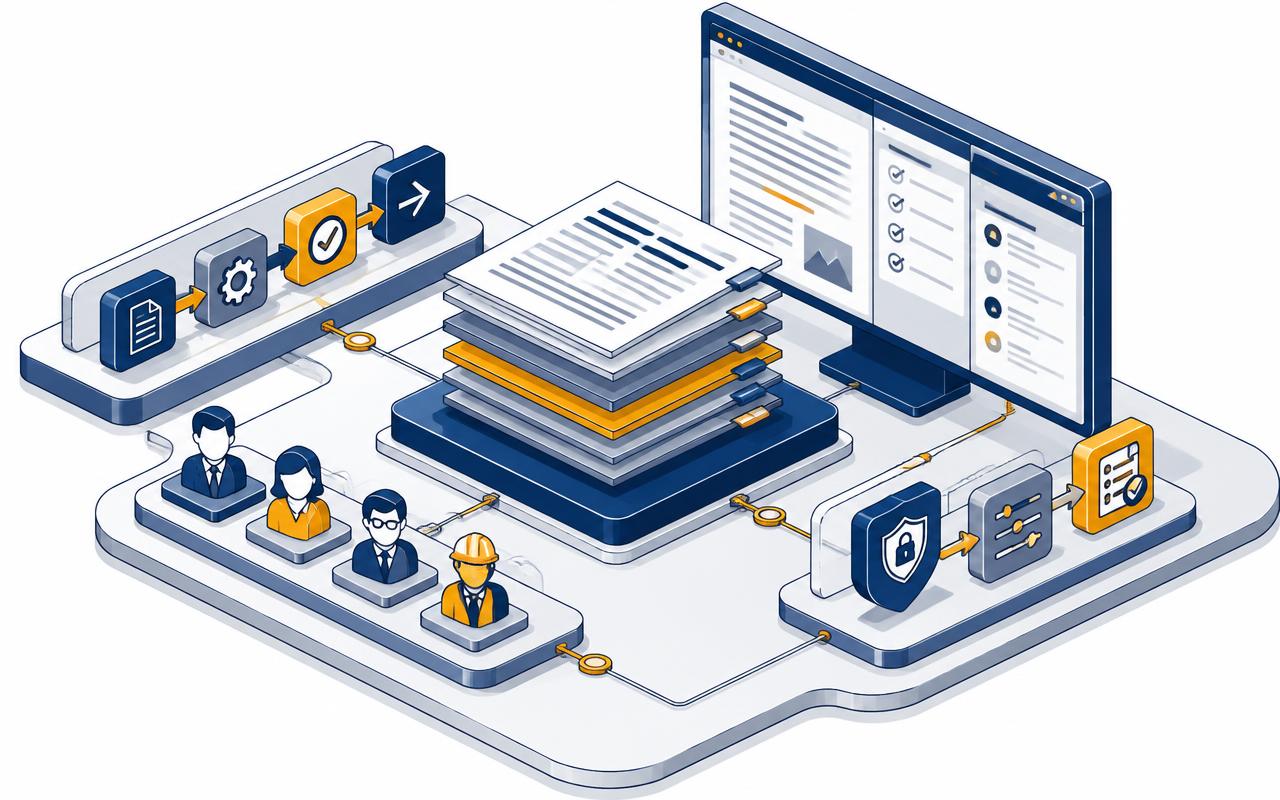
Present an editable swimlane diagram with lanes for USAC program and support functions, the consulting team, privacy/security/OGC reviewers, and executive governance. Use document symbols for evidence and deliverables, process rectangles for analysis, diamonds for approval gates, and labeled connectors for returns and escalations. Existing systems such as National Verifier, HUBB, and EPC appear only as assessment context; connectors do not represent proposed technical integrations.
Mobile operating model
A compact, touch-first view carries the same solicitation requirements, human review points, and evidence path into the field.
Implementation · outcomes and strategy

Proposed sequencing: complete kickoff and required onboarding, confirm reviewers and evidence access, assess existing governance and AI practices, and establish the finding-to-recommendation traceability structure. Timing depends on the awarded Effective Date and USAC coordination; no calendar start date is assumed.
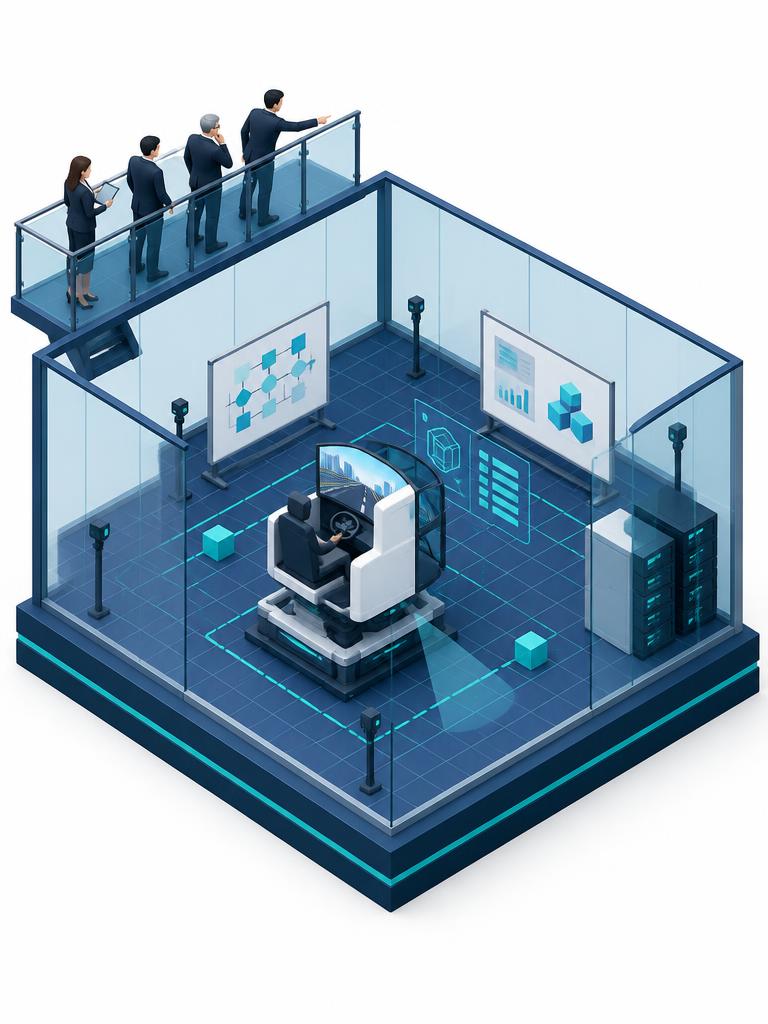
Develop and review the Current State Assessment covering organization, workforce roles, technology, data, privacy, and security. Identify target-state decision rights and control ownership, and compare candidate initiatives against existing constraints.

Draft the operating model, governance framework, initiative dependencies, resourcing assumptions, cost tracking and forecasting models, and program-line allocation approach. Evaluate agentic options and document a pilot recommendation traceable to assessment findings.
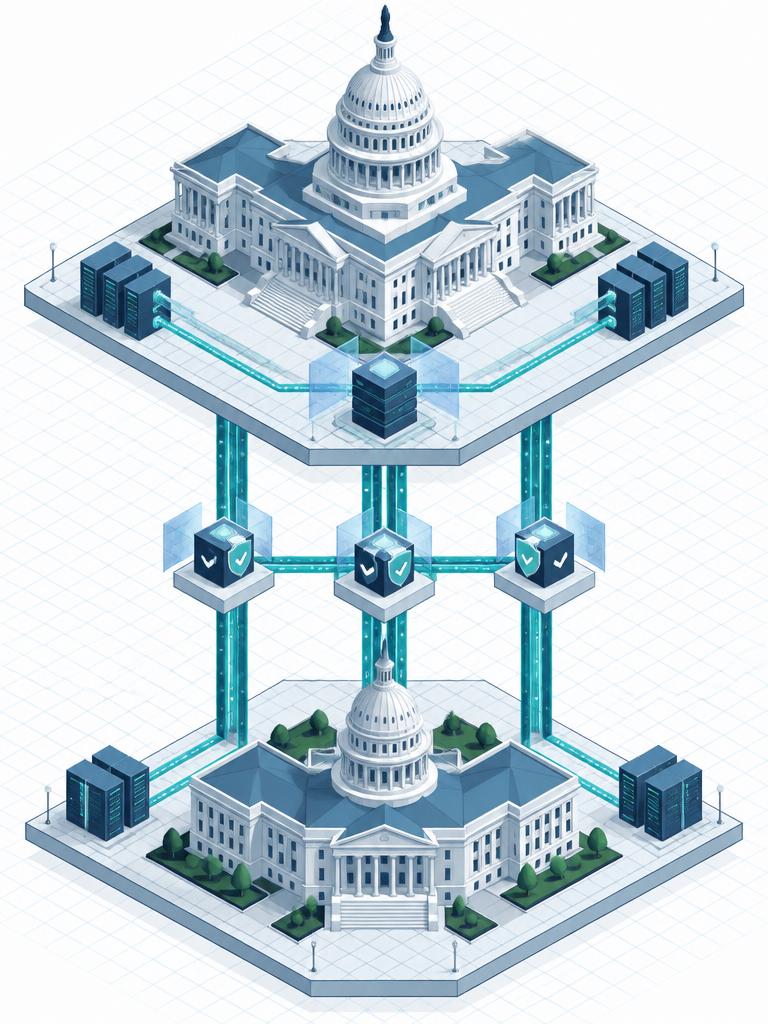
Reconcile reviewer comments, complete the AI Implementation Strategy and Pilot Recommendation, prepare the Executive Briefing and Final Readout, and manage acceptance and records handoff. Reserve review and correction time in the detailed work plan.
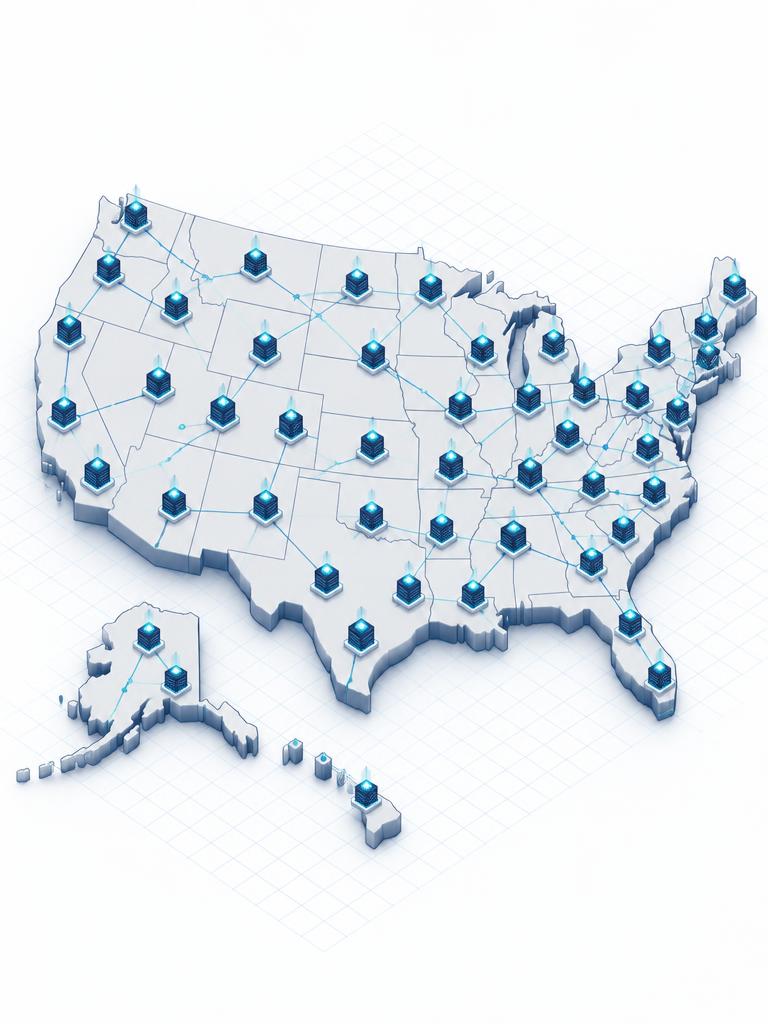
Illustrative future-state sequence for USAC consideration: clarify governance ownership, strengthen intake and risk review, address readiness gaps, and define measures for any separately authorized pilot. Preserve traditional/statistical AI support and evaluate internal generative-AI opportunities. Future execution is outside this contract.